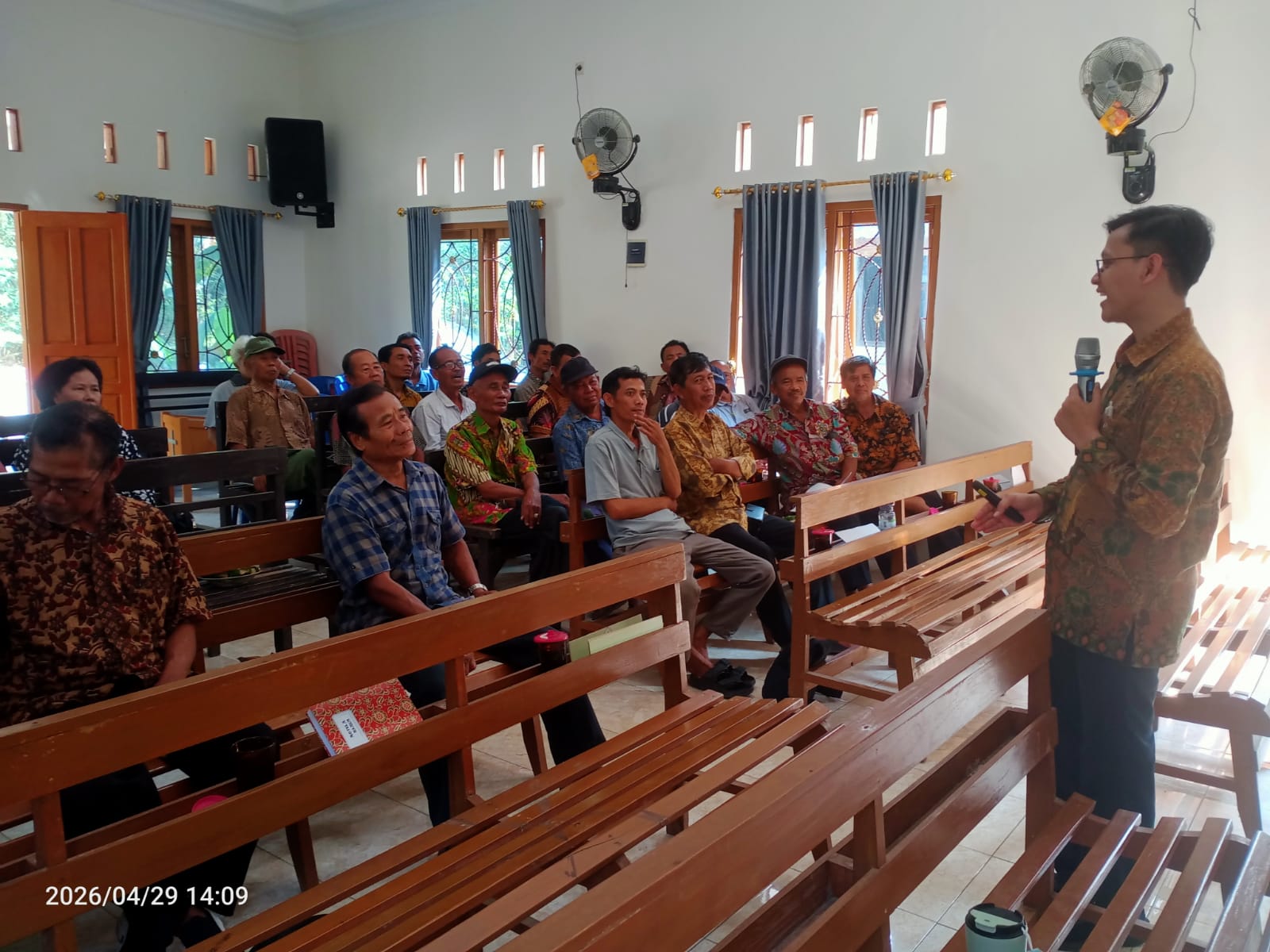
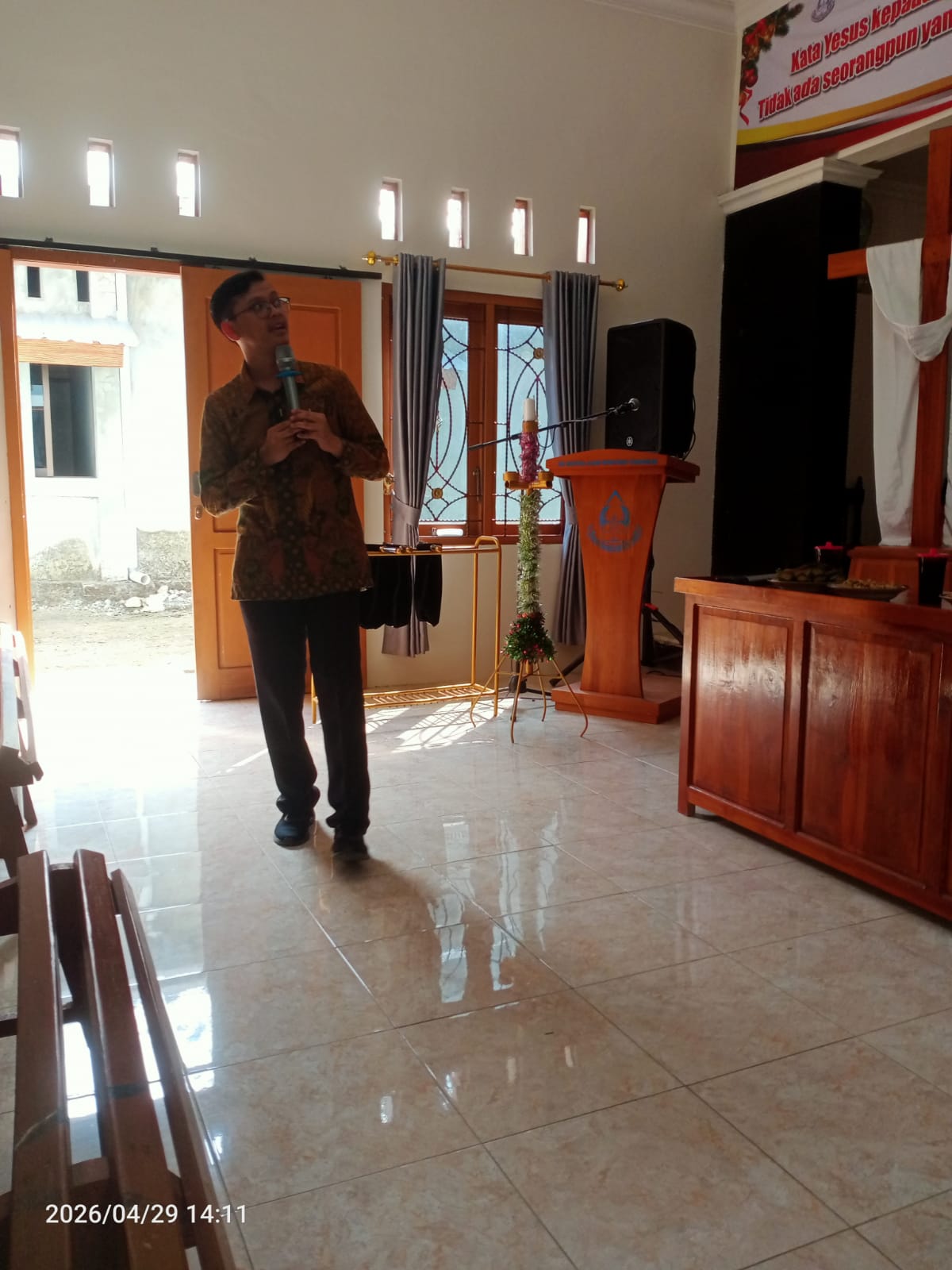
In this context, land was not merely economic asset, but an identity for the self and the family who owned it, a source of livelihood, a sacred inheritance, a symbol of dignity and respect.
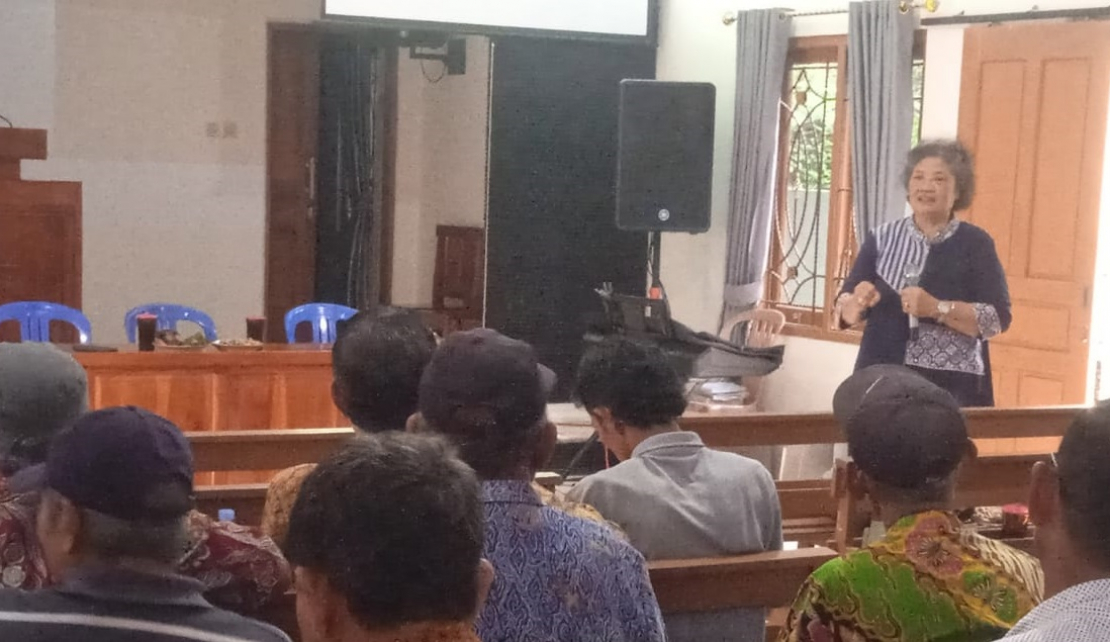
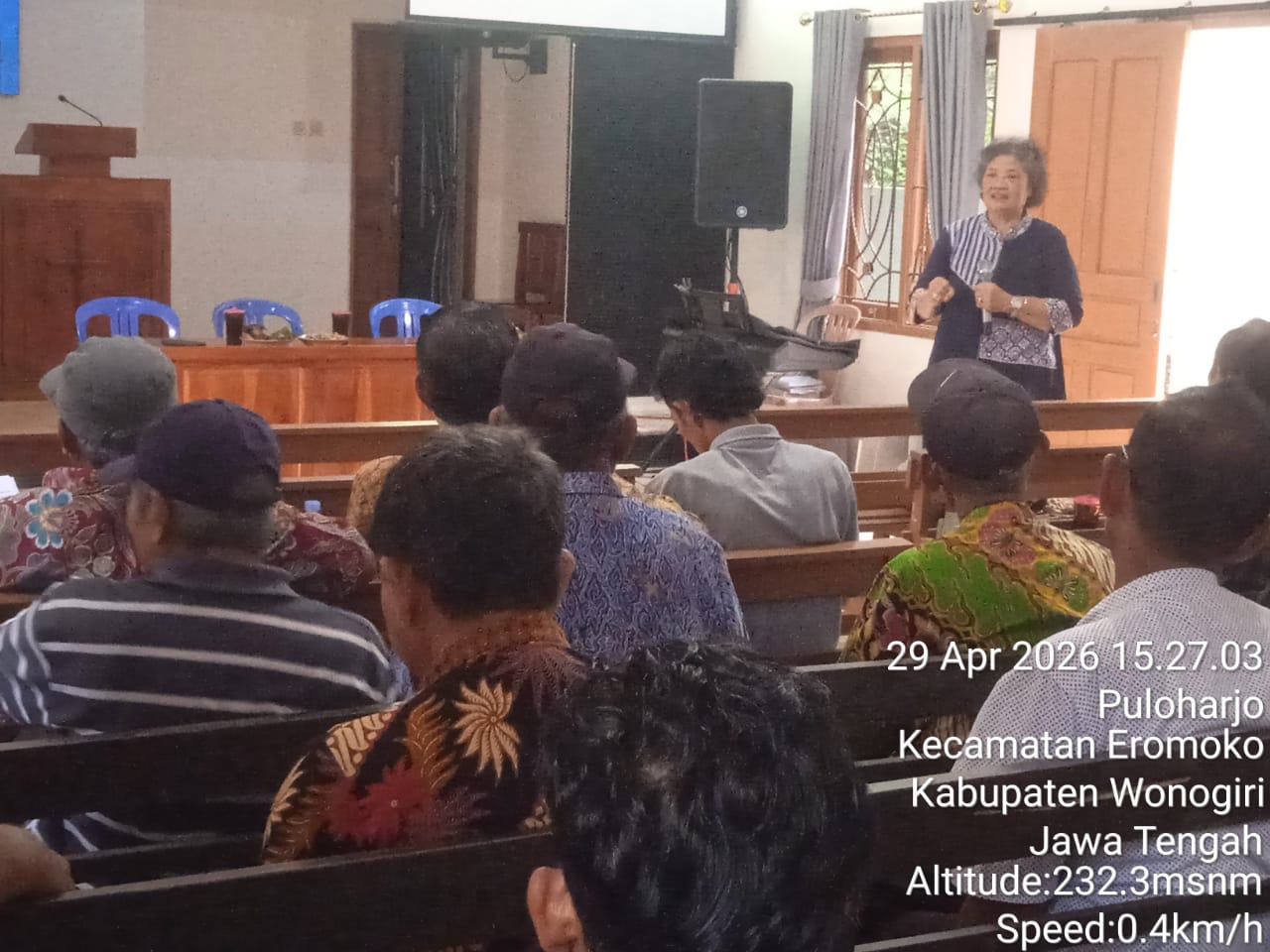
The resource person then explained that legal education for communities, particularly with regards to land certificate, was not merely to transfer knowledge, but strategically to protect rights and prevent conflicts. There were a number of key reasons that can be explained in simple terms, but with significant impacts: To prevent deception and land mafia. Many cases occurred because communities failed to understand the letter of the certificate. By understanding each part of the certificate (owner’s name, size, border, and right status), communities may become more alert to manipulation or forgery. The second reason was to ensure official ownership, land certificate was solid legal proof. If communities read it right, they knew whether their land truly belonged to them, or had joint ownership, or in trouble. The third reason was to reduce conflict and land-dispute.
Many conflicts occurred in communities and/or in families because of their ignorance to understand the official borders to their land and the status of their land. Education helped communities understand official borders, hence conflicts could be prevented from the beginning. The fourth reason was to increase bargaining power of the communities. When they dealt with outsiders (i.e. investors, government, or other parties), communities who understood their certificate would not be easily pressured or suffering losses. They became more self-confident in making decisions. The fifth reason was to support access to legal and economic services. Land certificate was used for a variety of reasons, such as bank loan or government program. When communities understood the content and status of their land, they could use the asset legally and safely. The sixth reason was to change view from “ignorance” to “empowered.” Legal education was not only about knowledge, but about awareness of rights. Communities became more critical, dared to ask, and not being easily manipulated. The seventh reason was protection of vulnerable people.