Cultivate a Safe Culture Early in a Person’s Life: Story from MI Miftahul Huda (Islamic School) in Jakenan, Pati

Cultivate a Safe Culture Early in a Person’s Life: Story from MI Miftahul Huda (Islamic School) in Jakenan, Pati
That morning, the atmosphere at Madrasah Ibtidaiyah (MI) Miftahul Huda, Jakenan, Pati was different. Children’s boisterous laugh was unusually louder, mixed with handclapping and instruction from the facilitator(s). Amongst tens of students in a room, a fourth-year student, Ilul lived with a condition known as hydrocephalus. Despite the condition, Ilul was enthusiastically embracing the series of training activities entitled “Safe Culture” facilitated by Yayasan YAPHI.

The training was not the first. Yayasan YAPHI had been at this school many times, building warm relations with students and cultivating critical values for self-protection and safe environment. The activities that day were part of on-going actions to enhance students’ understanding of what was “safe” and what was “not safe” in daily life.

Learning while Playing

There were around 40 students from classes 3 and 4 who attended the training with three facilitators - Handharu, Tika, and Astuti. The activity started with a game that served as a pre-test to measure initial knowledge of the children. Children identified basic concepts about feeling safe and danger through interactive method(s).

Yet, as with children in general, it was not easy to keep their focus. The atmosphere was quite often boisterous, yet the facilitators were ready to bring children’s attention back into focus through marching game and listening to instruction. The method was effective, as children resumed their focus and were ready to learn the subsequent lessons.

One interesting approach was via “Clap a Child’s Right” and “Exercise a Child’s Right,” used to repeat materials from previous meeting. With movement and rhythm, children not only memorised but also understood their rights in a fun way.

Understanding Safe People, Places, and Activities

The core training material focused on three key issues: safe people, places and activities. Handharu started with explanation about criteria for people that children could trust. He described on the board and asked children to discuss people whom children could feel safe and protected.
That was not all, children were also tasked with examining their own emotion. Handharu emphasised that feelings such as sad, angry, afraid, or worried were clear signal that someone may have found himself or herself in an unsafe situation. By sharing stories, children were to assess whether a situation was safe or not. This approach helped them learn take decision about feelings and experience.

Astuti then continued with safe activities, at school and at home. At school, safe activities included times when children learned with patient teachers who did not get angry easily. Conversely, Activities that involved a lot of pressures or negative emotion was deemed unsafe.

At home, children were asked to understand the importance of supportive space, places where they could learn quietly and not overloaded with excessive tasks. More importantly, a house had to be safe to share stories, including when children experienced something which was not nice, such as violence or bullying.
Image
Image

Maintaining Concentration through Games

To keep children enthusiastic and focused, Tika and Handharu offered “clap concentration” game. In the middle of the heat in the class, a game became an effective means of bringing back children’s focus and energy. Slowly, the situation became much calmer and comfortable.

After the session, children answered questions in writing as a post-test. This served as a means to know how far children understood the training material.

In-Depth Discussion in Higher Classes

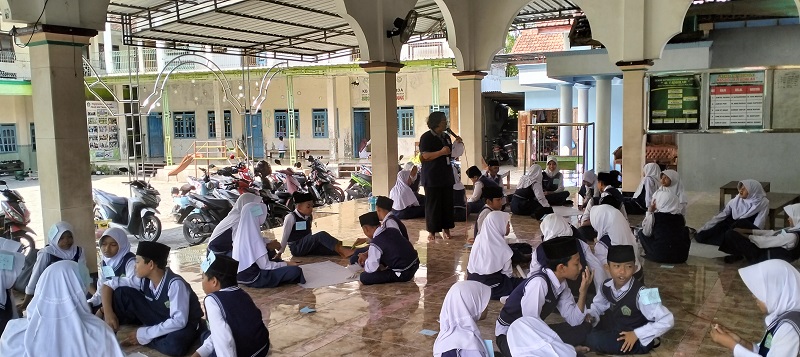
Meanwhile, in another room, 5th and 6th grade students attended training with a different approach. Dunung Sukocowati and Anisa Ratna facilitated the training, and drew children’s attention to a small-group discussion through Focus Group Discussion (FGD) method.

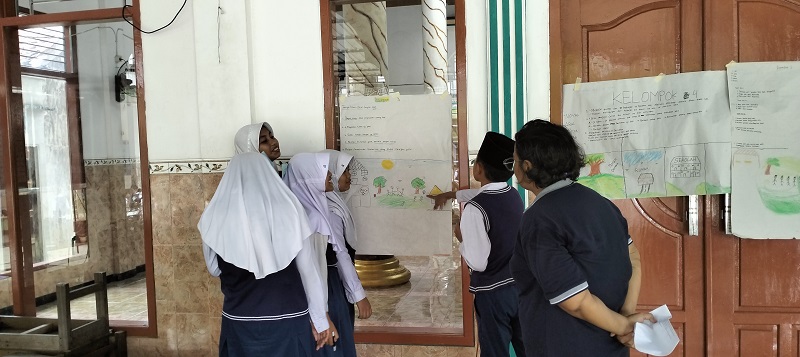
There was a total of seven small groups, each with a piece of paper to write and draw what they understood as safe culture. Children discussed a number of aspects: definition of safe and unsafe, and example of people, places, and activities that reflected both.

Each group then presented their discussion results. The method was effective because it was suited to the level of children’s maturity. Children not only received information, but also actively processed and expressed their views.

Early Education for Lower Classes

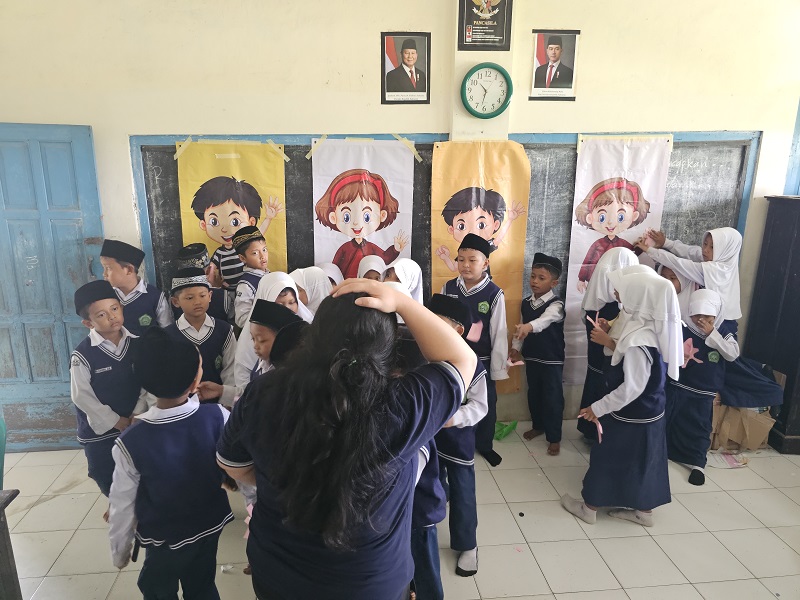
In other rooms, first and second grade students received material suited to their ages presented by Renny and Aster. Justina and Adi worked with second grade children. The key focus was on self-protection, particularly with regards to preventing sexual violence. Children learned how to know their own body, to understand the boundaries, and to know who could touch certain parts of their body.

The method was simple and fun, through pictures and hand-clap game. This way, the facilitators transferred the key message without inciting fears, yet memorable in children’s mind.
Image

Children’s Voices: Learning from Experience

In interview session, a sixth-grade student Iza expressed that the training was very useful. She could understand that safe culture included many aspects and it was important to inform other people about it. She also related her own experience of dealing with flood in her village.

For Iza, flood was a real example of unsafe situation. Yet, interestingly, there were children who saw flood as something nice because they could play in water without thinking about the risks. The different perspectives served as reflection points about the importance of understanding risks in early age.

Ilul and two friends shared similar stories. They had to skipped school for two weeks during the flood. This experience strengthened their understanding of the importance of preparedness and safety.

Towards Safer Future

Safe Culture Training was not the end, it was the beginning of a long process to raise children’s awareness about safety and the environment. In the future, Yayasan YAPHI planned to continue the program using more in-depth materials, including disaster risk reduction.

Through fun, participatory, and contextual approach, children not only learned, but also grew to become mor sensitive and self-confident individuals who were aware of their right and safety. And in the midst of all this, someone like Ilul became important reminder that each child, with their own uniqueness and challenges, had the right to feel safe and protected.

Teachers, School Staff and Learning about Peace in Oneself and Basic Concept about Human Rights

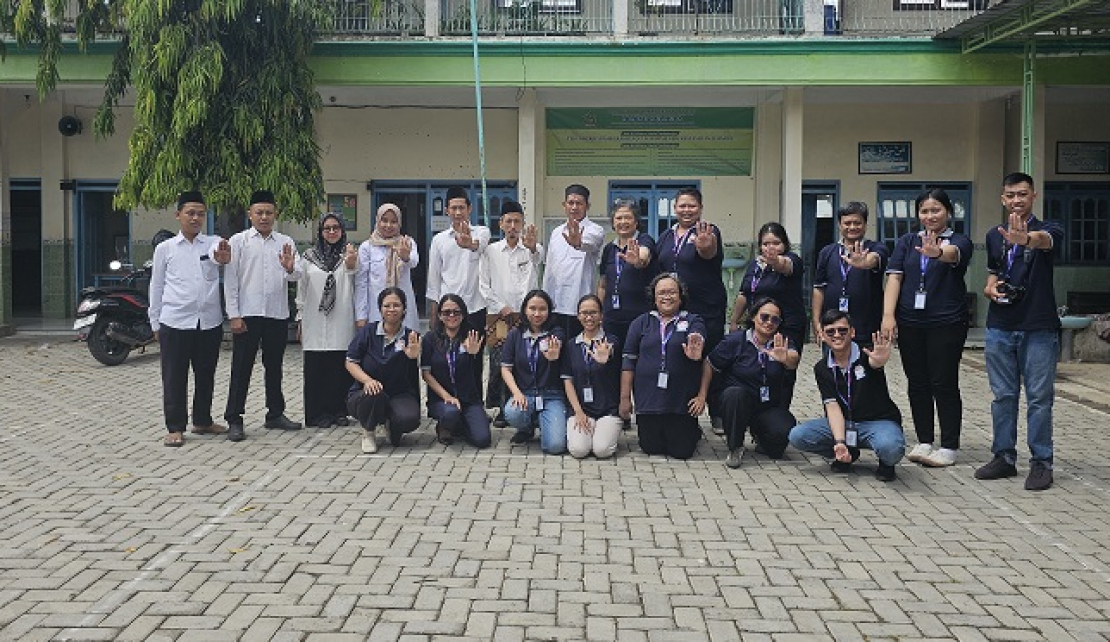
Similar to classes 1 to 6, teachers and staff, as well as parents’ representatives also learned about peace in oneself and basic concept about human rights with Vera and Dorkas. This class needed more time for the material presentation. Through presentation and interactive discussion, children reflected on their own understanding about what was a clear mind, self-confidence, common pace for growth, and thankfulness and self-satisfaction. The aim of learning bout basic concept of human rights was to understand rights and respect for other people, prevention of violence and abuse of power, fairness and responsibility. This was critical for education and child protection, advocacy and social change, and understanding about rules and law. (ast)