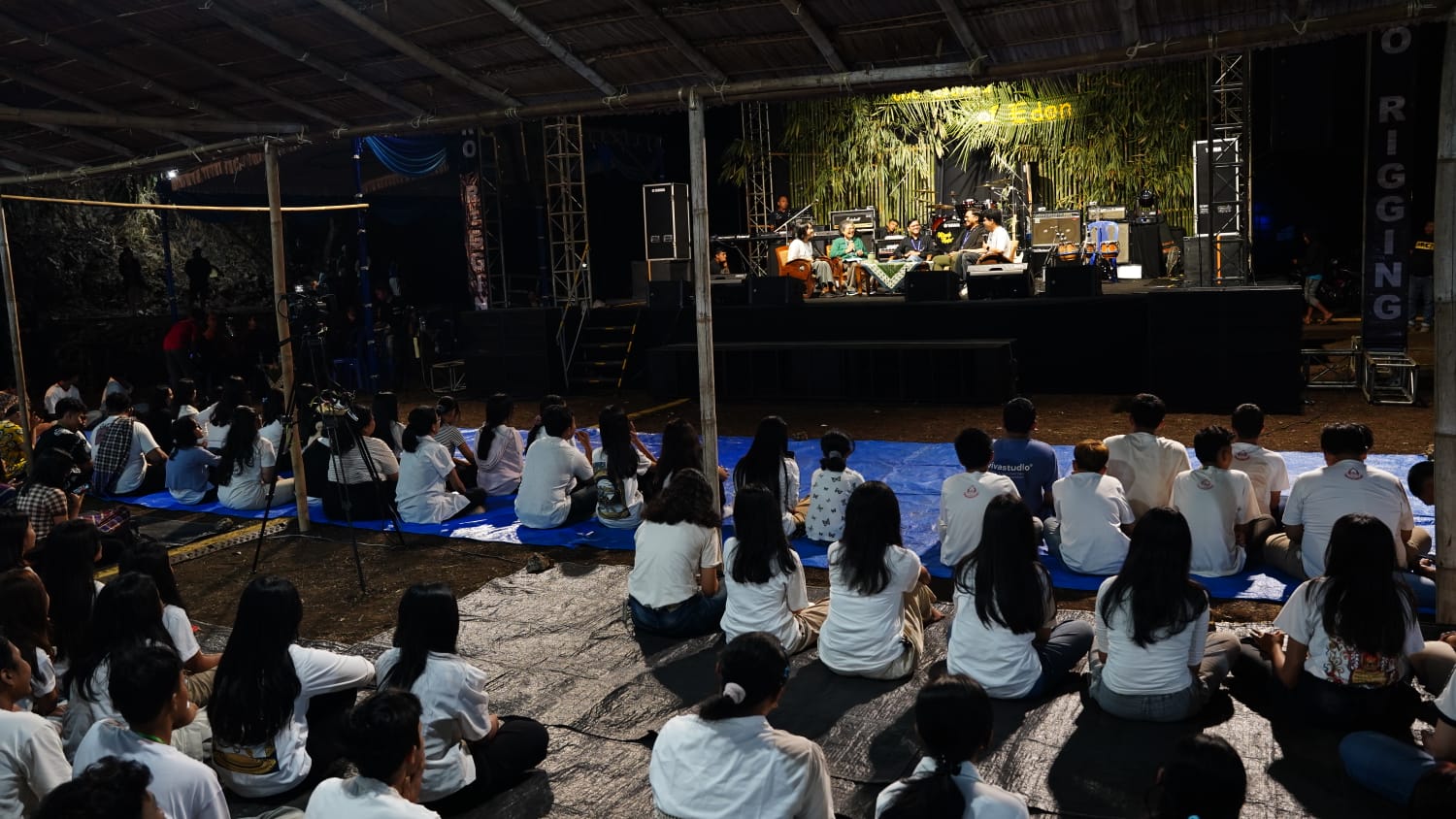
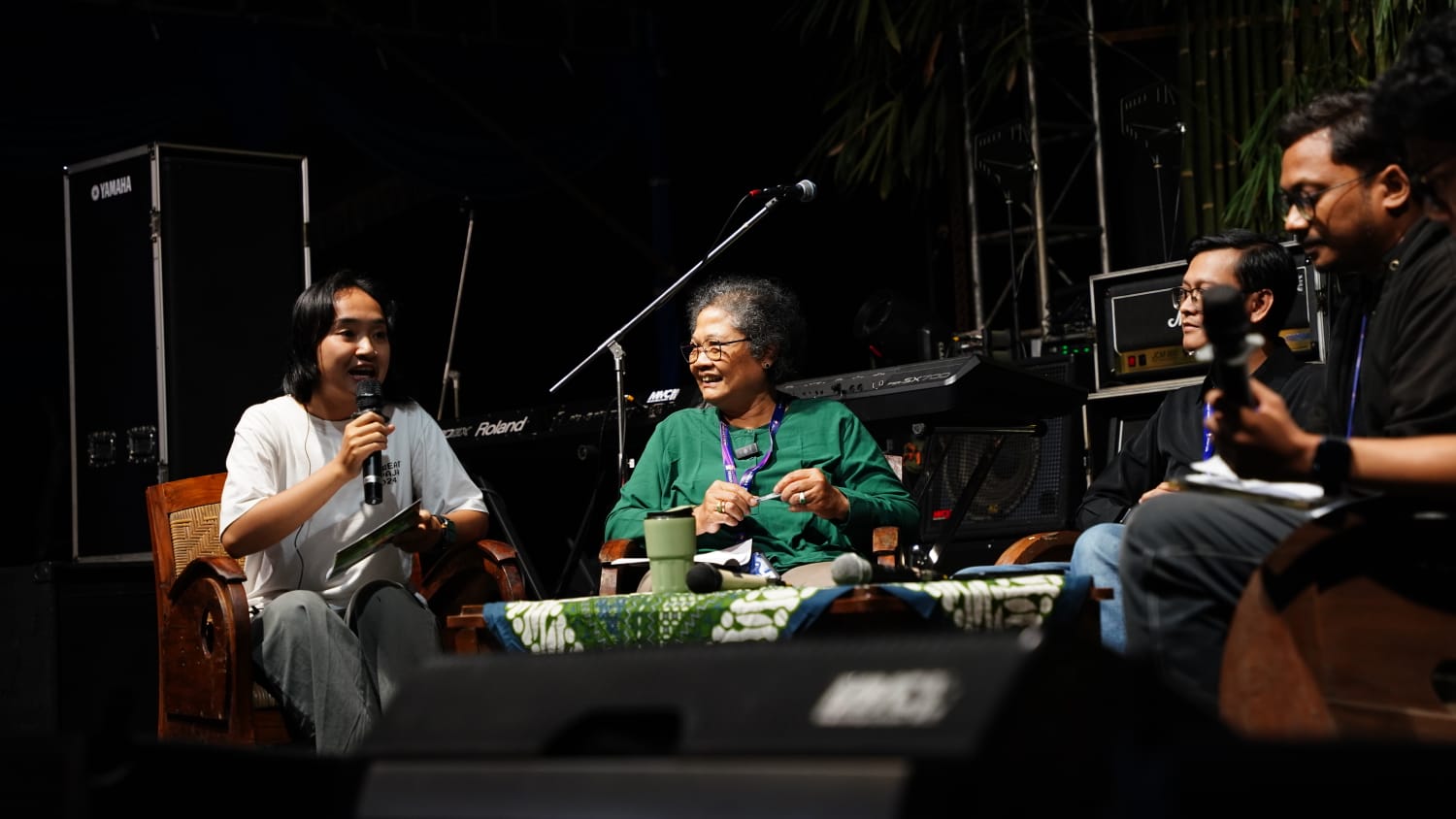
Handharu emphasised that it was not sufficient for environmental law to be a paper tiger. Law had three key pillars – regulation/rules, implementation, and culture.
"When there is already good regulation but the culture remains fixated on throwing rubbish/waste anywhere, then the environmental problem will persist."
For that reason, he asked participants to start the change from simple actions they could do consistently.
Putri continued the discussion by presenting practical examples of what had been done in her church – from sorting organic and nonorganic waste, making compost, making use of biopore holes, to setting up waste banks as part of the Church’s services.
She also said that in her church, plastic bottles and cardboard boxes were collected as “waste offering” to be sold to generate funds for the church’s activities.
"We have this waste offering. This helps reduce household waste, while we can make maximum use of the results."
She said that big changes always started from small actions done continuously.
"If we are not consistent with small things, God will not use us to change big things."
She also asked participants to reflect on local wisdom, such as use of banana leaves or teak leaves as food wraps rather than using single-use plastic wraps.
"Our parents taught us environmental-friendly lifestyle."
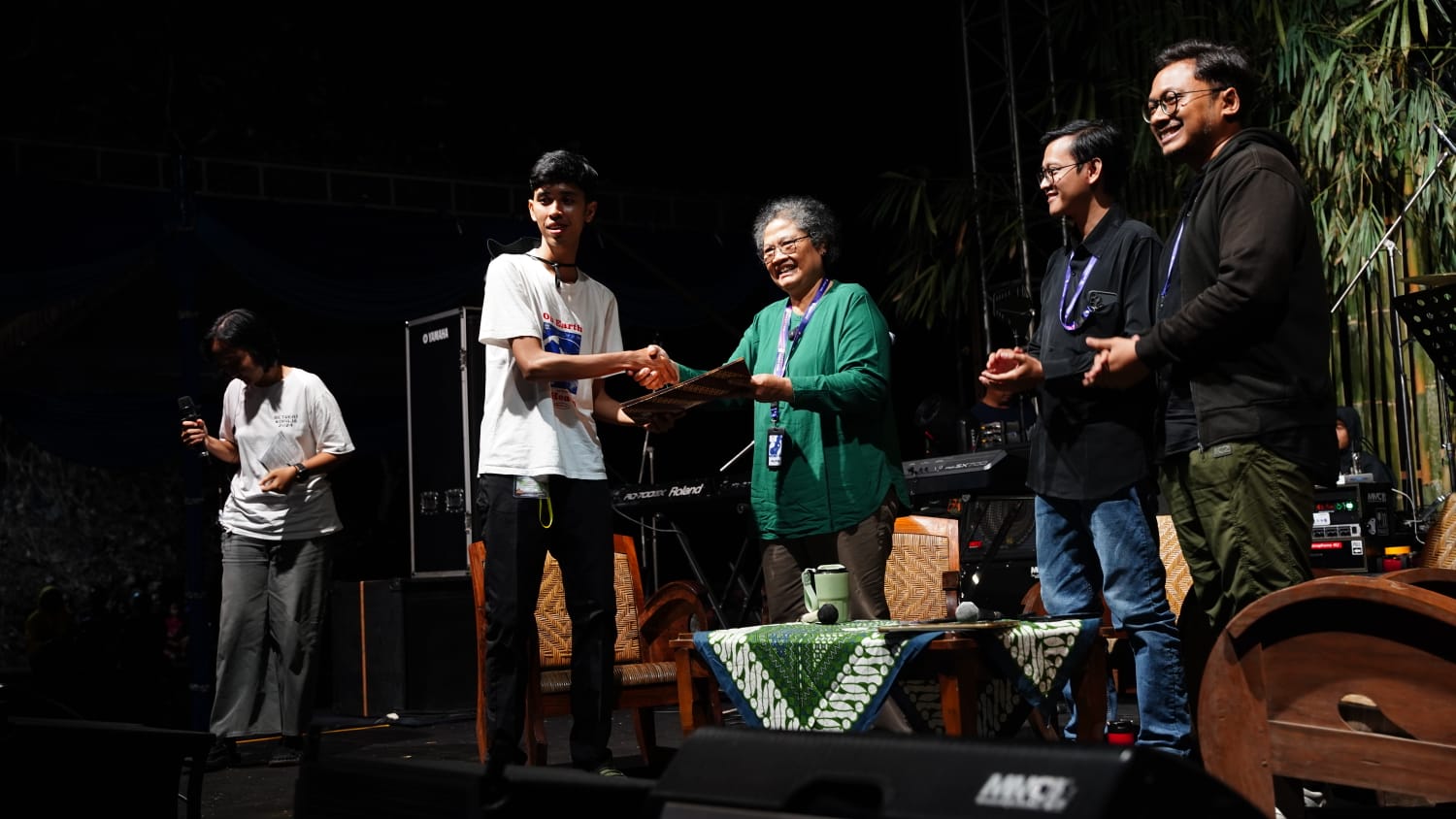
At the end of the activity, the moderator asked participants to reflect what they had learned during the discussion. The answers were quite uniform: put rubbish in the designated place, sort waste, reduce plastics, live a frugal life, and have confidence to find information about local condition.
For YAPHI, to be a Guardian did not necessarily start from big actions. To protect the earth, one could start from home, church, family, even daily habits.
A strong message to all participants constituted the last message from the resource person. Participants were reminded that the biggest fear was not environmental destruction itself, but young generation who chose to keep silent and to not care.
For that reason, they asked each participant to become guardian of life, with confidence to read the situation, to monitor policies, to protect the environment, and to build a culture that respected nature as God’s creation.
"The confidence to protect the ecology must continue. To be guardians means to start the change from oneself, before asking others to come along," said the resource person. (Ast)