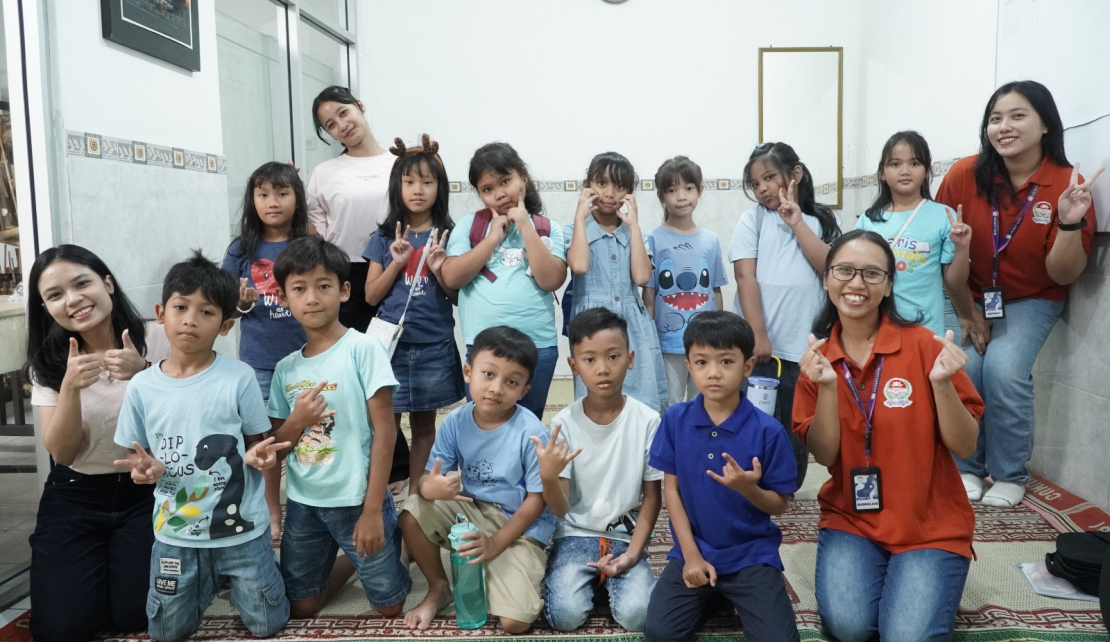
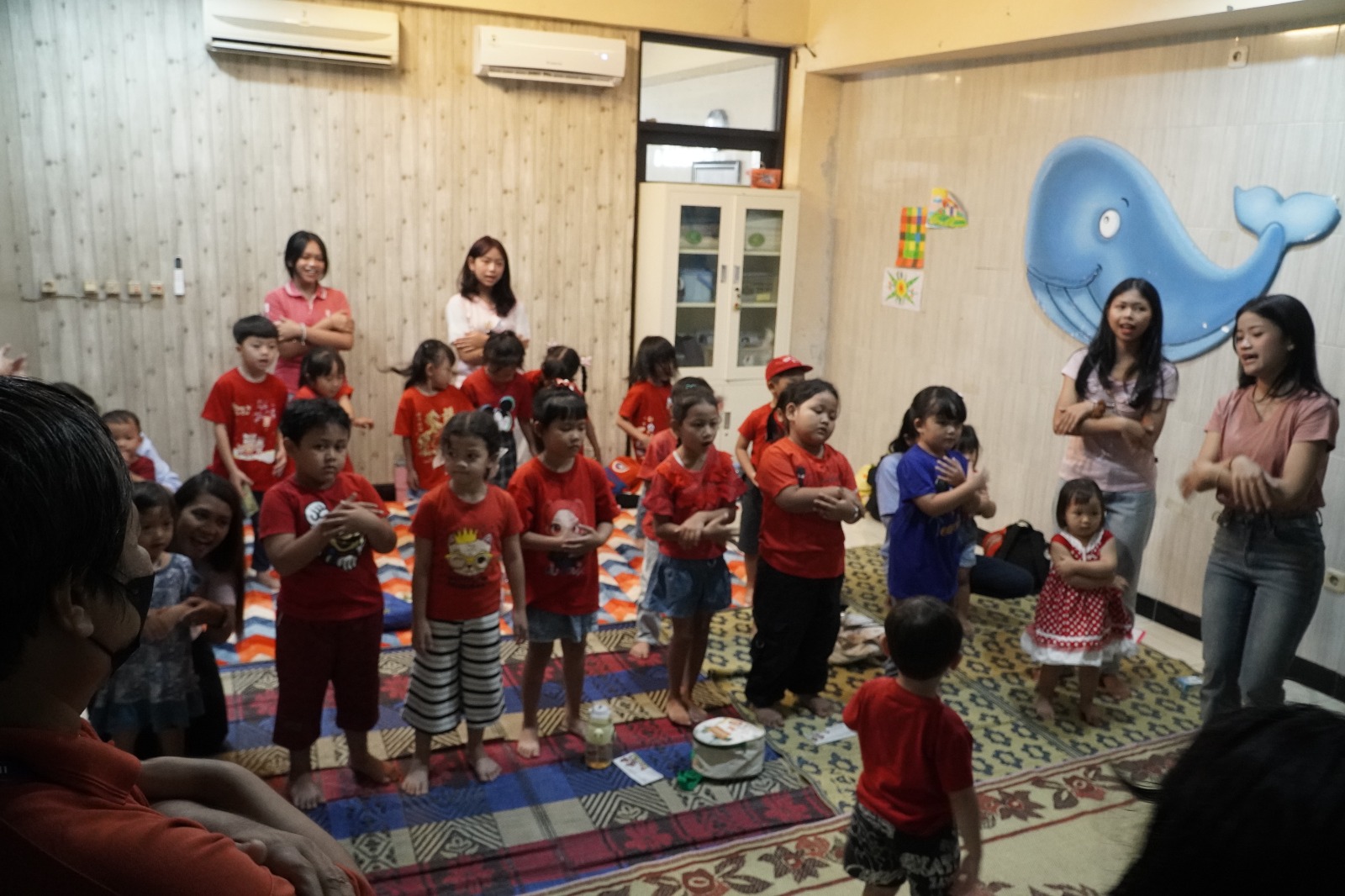
Yosi said that children never had such explanation about knowing their own body and how to do protect themselves from sexual violence. For that reason, he believed that such education was critical so that children understood the body boundary and were able to protect themselves when faced with unsafe situation.
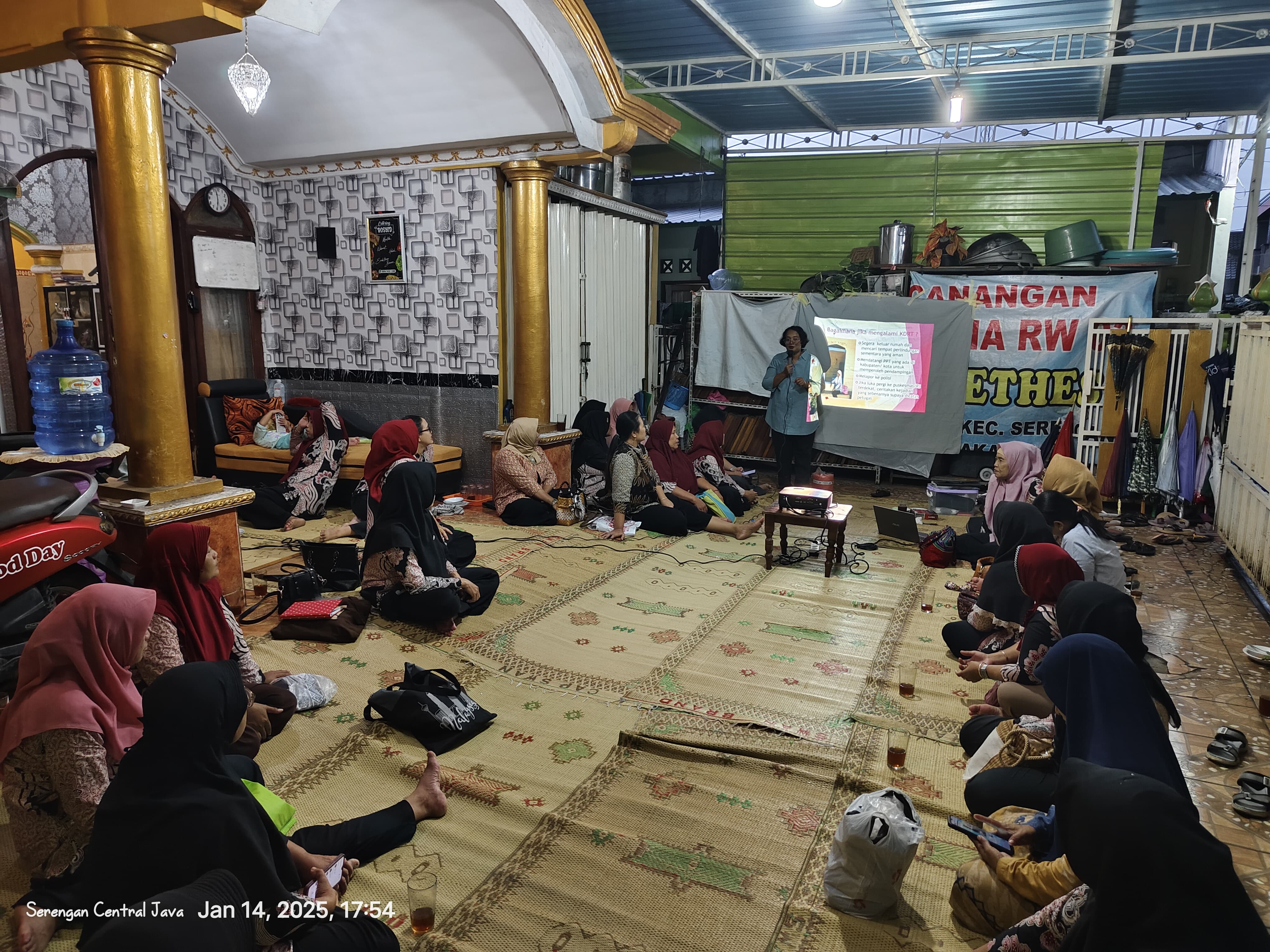
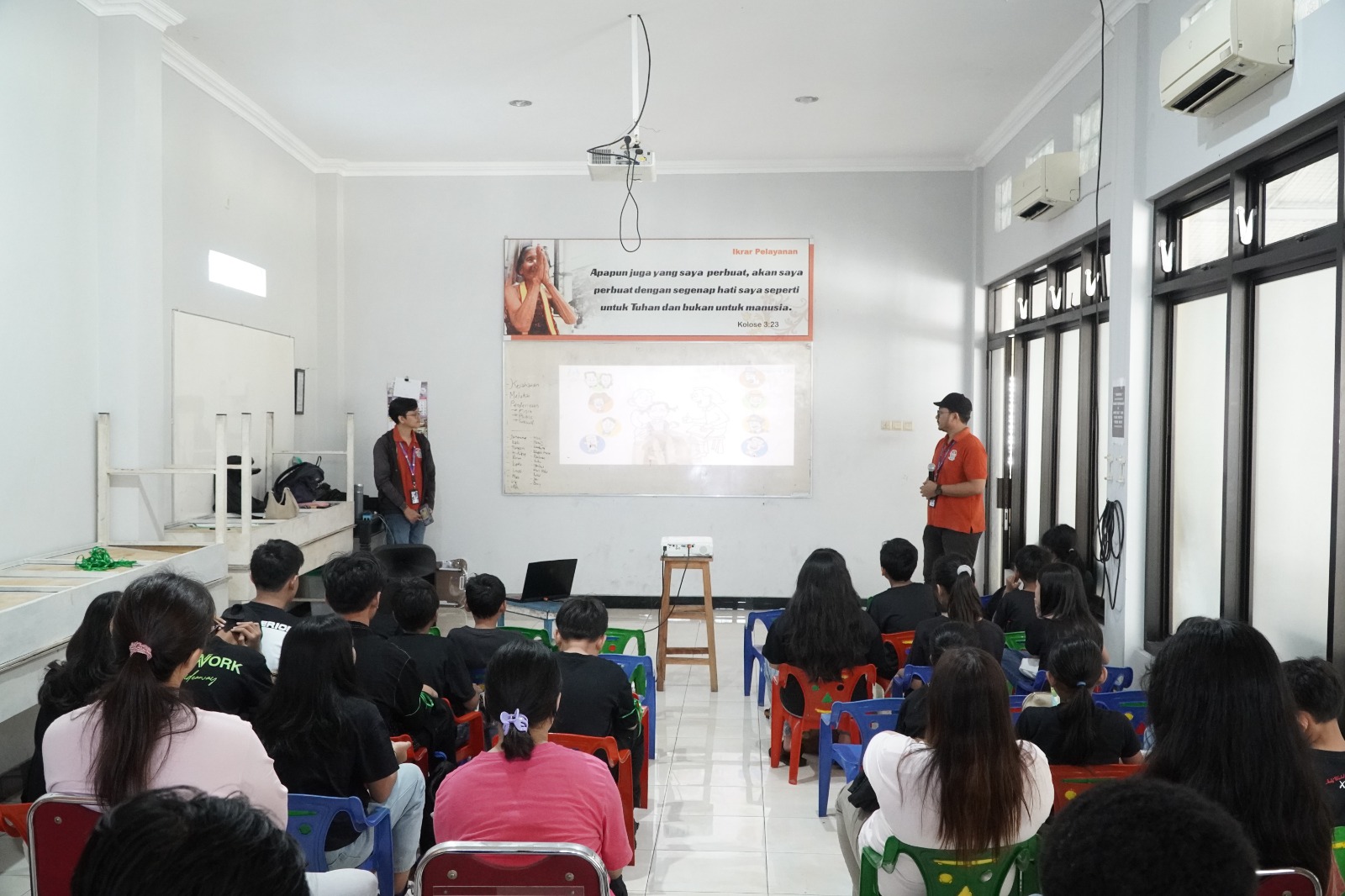
In the parents’ room, discussion on violence moved to the root culture often unconsciously perpetuate violence. Participants had to understand that culture was habits done continuously that people viewed them as normal.
In the discussion, facilitator Dunung Sukocowati highlighted forms of sexual violence that people often considered light, from comments with sexual undertone, whistles, and jokes that made a person not feeling comfortable. Such normalizing behavior was one reason why it was difficult to create safe space for women and children.
The discussion then moved to more complex forms of sexual violence, including sexual exploitation, forced sex in the family, electronic-based sexual violence, forced marriage, and forced contraceptive use and sterilisation.
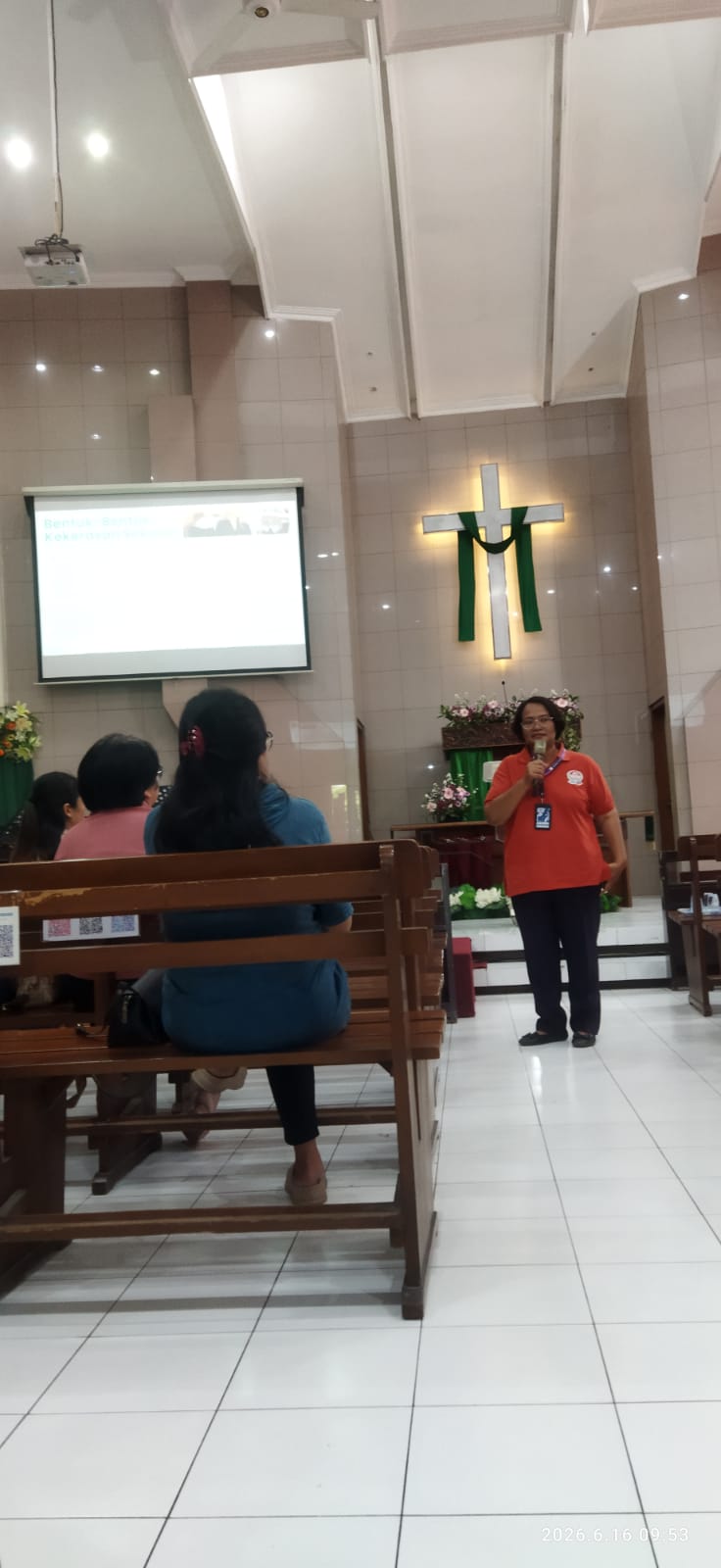
Through a number of examples of case accompaniment that the facilitator had managed, the facilitators showed that sexual violence could happen in a variety pf spaces, including in own family setting. For that reason, it was not enough to commit only to prevention through legal enforcement, but also through education, change of viewpoints, and community self-confidence to build a culture that respected body, dignity, and rights of every person.
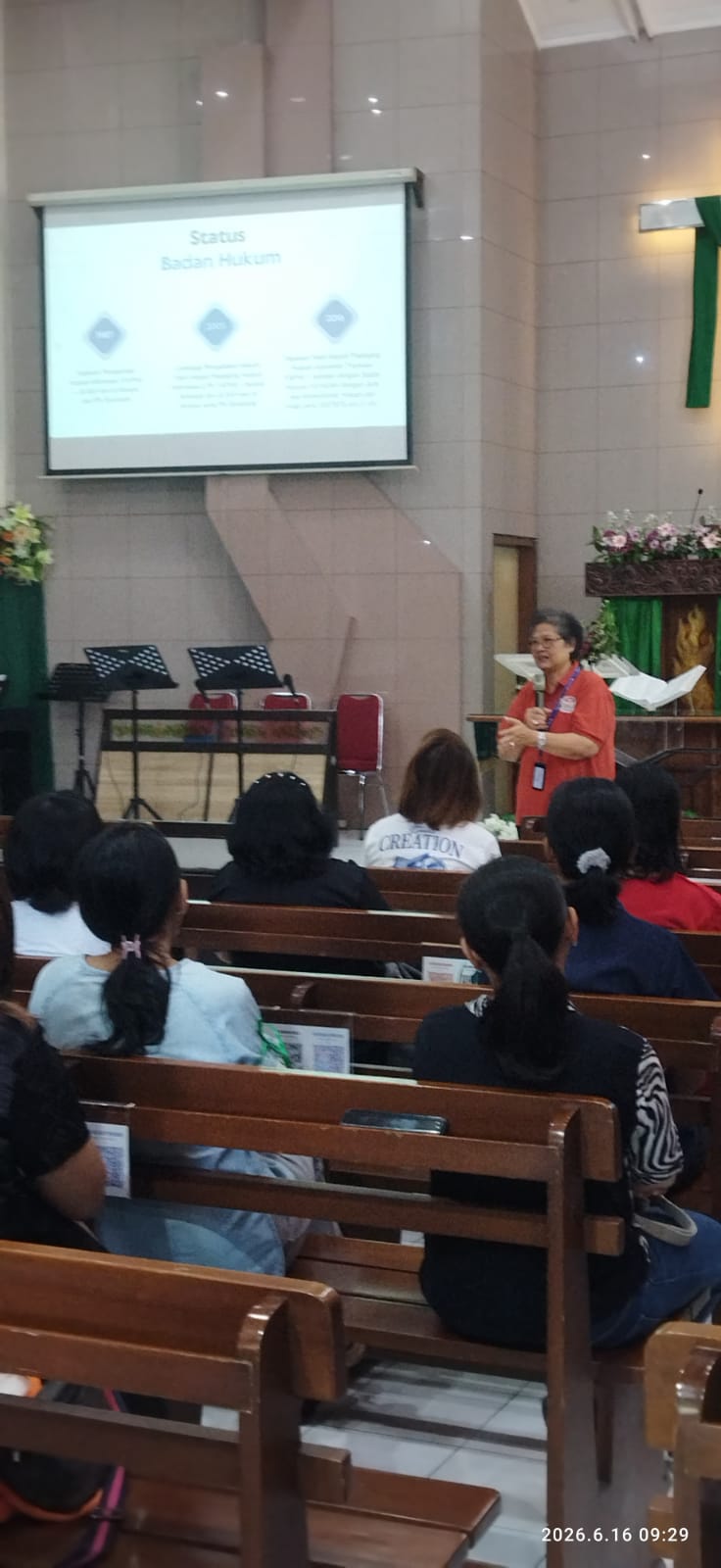
The discussion about sexual violence got deeper as the facilitator shared accompaniment experience by YAPHI. The facilitator described many cases that showed that sexual violence did not necessarily take the form of easily recognized acts. Conversely, many cases happened in closed spaces and involved imbalance power relations.
Through a number of examples, participants understood that sexual torture could cause deep/serious harm, physically and psychologically. Yet for the facilitators, it was equally important to understand the root problem that caused violence to keep happening generation after generation.
Facilitators argued that one key factor was parenting style characterized by violence. Children tended to learn from whatever they saw, heard, felt, and experienced on a daily basis. When they grew in an environment full of fights, threats, or violence, those behaviours risked being viewed as normal.
The facilitators showcased a number of cases they managed as examples. In a number of cases, children who became perpetrators of violence were exposed to sexual acts beyond their age or witnessed acts that they should not have witnessed. Such experiences then influenced how they understood their relations with other people.