The concept of digital citizenship was also part of the learning. Children needed to have the ability to interact safely, responsibly, and to respect others in the digital world.
Accompaniment and supervision in the use of technology could proceed through proportional approach. The objective was not simply to control children’s activities, but to develop children’s ability so that they could identify risks, make decisions, and take care of themselves when in the digital space.
Understanding safety feature in Meta Platform
Participants also learned about children’s safety in Meta platform, including introduction to Teen Accounts and a number of safety features.
Introduction to safety features was critical part of the measure to build safer digital ecosystem. Yet, technology and safety feature had to go hand-in-hand with digital literacy, supportive parenting, and child protection system that was accessible when children faced risks or experienced online violence.
Interactive and Collaborative Learning Space
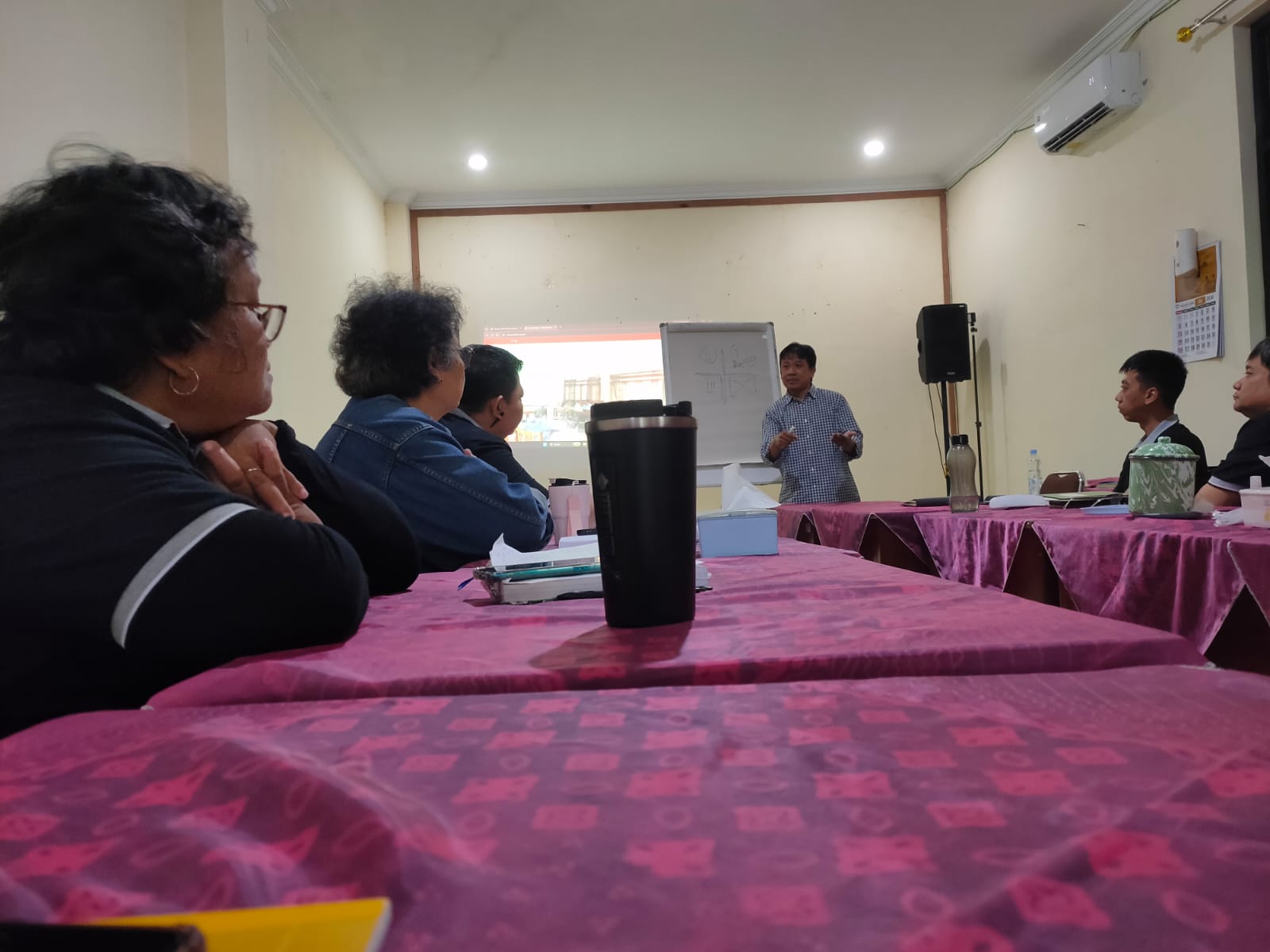
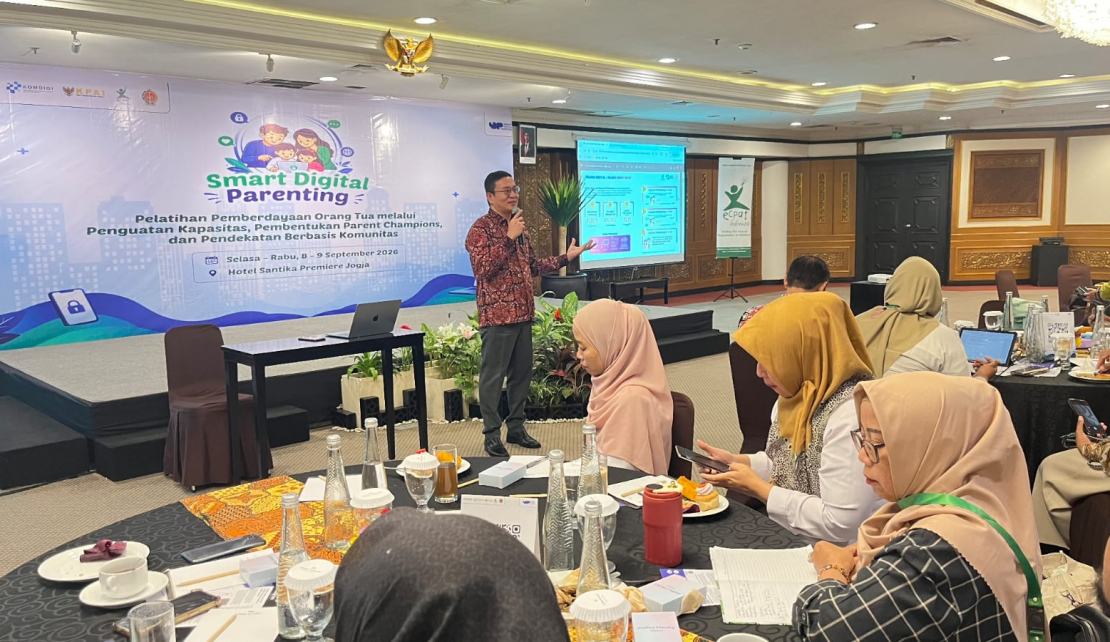
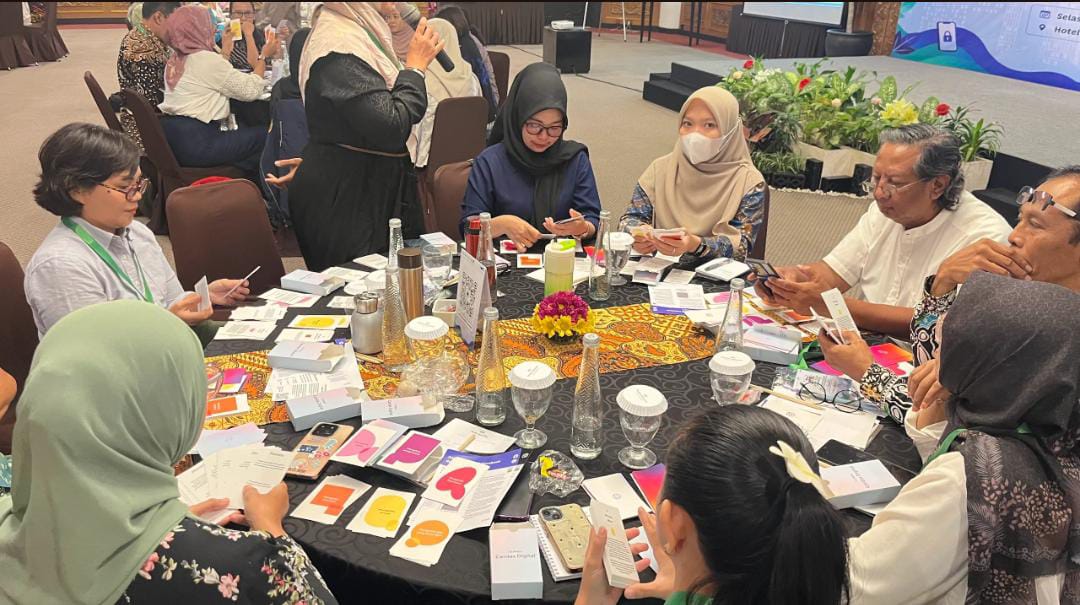
Smart Digital Parenting training proceeded interactively. Participants received materials, but also got involved in discussions, experience sharing, reflection, and discussion of situations which children might face in the digital space.
Participants’ diversity was a strength in the learning process. The perspectives of the government, civil society organisations, academics, volunteers, and young people showed that child protection in digital world necessitated a collaborative approach.
The involvement of child forum and youth groups served as a reminder that children and young people were not only those to be protected, but those who had important voices and experience in developing safe digital world for them.
Make Action Plan
At the end of the activity, participants prepared action plans that their respective organisation could do.
For YAPHI, the process was important part of ensuring that knowledge gained in the training did not end with the individuals attending the training, but was integrated into the works of the organisation in strengthening children and women protection.
Knowledge about digital world, child rights, risks in online world, digital parenting, and prevention mechanism and risk management could help strengthen education, accompaniment, campaign, and community organising work by YAPHI.
Developing Child-Safe Digital Ecosystem
Children’s presence in digital space was part of today’s reality. For that reason, child protection approach could not separate online and offline spaces.
Children needed an environment that allowed them to take benefits of technology and at the same time protected them from risks. That necessitated involvement of family, community, government, civil society organisations, academics, providers of digital platforms, and children and youth themselves.
Through participation in the Smart Digital Parenting training, YAPHI strengthened its commitment to continuously learn and collaborate in creating safe environment for children, including in the digital space.
Child protection in the digital era was not simply about limiting children’s access to technology, but about ensuring that children had the knowledge, skills, accompaniment, and protection system that allowed them to grow and to participate safely in the digital world. (Dorkas Febria)