He iterated that the curriculum used would be based on national curriculum. The difference lied in the learning approach which was designed t be ore adaptive to fit student’s ability. In addition, parents would be actively involved through parenting program so that character building would proceed on a consistent basis, at schools and in family environment.
In its initial stage, the Special Classes School would proceed in limited fashion at Public Schools - SMP Negeri 24, SMP Negeri 25, and SMP Negeri 26 Surakarta. The City government would conduct an evaluation on the program implementation before program expansion in the following year.
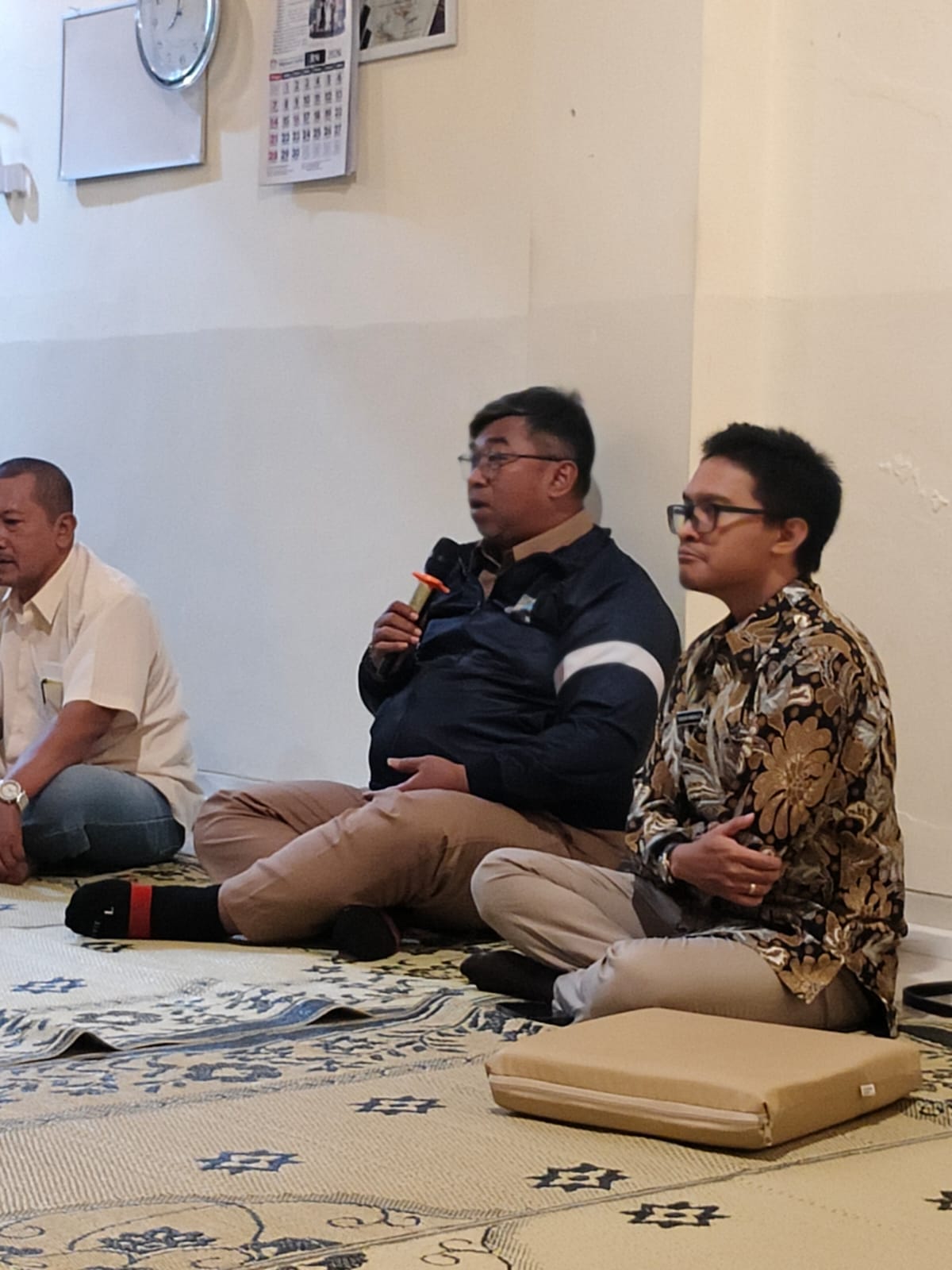
In the discussion, Pardoyo gave his appreciation to the program implementation, which was promoted beforehand during hearing with the education office in Februari 2026. He expected that the Special Classes Program would truly give priorities to students with standout academic performance and gifted students from poor families.
Pardoyo also pointed out the high-level of enthusiasm in the community towards the program. Of the 150 seats available, the number of people registering reached more than 400 students despite the limited information dissemination. For that reason, he proposed that the selection process and announcement schedule be aligned with student recruitment stage in general in order to avoid confusion in community.
In response, Dwi Ariyatno expressed that the government articulated its target that within three years, there would be students who would be able to compete for top schools at national levels. He also suggested that the Special Classes Program was not meant to create discrimination, but to provide education services that fit the students’ gifts.
The discussion forum triggered critical views from participants. Joko Riyanto from the Education Council (Dewan Pendidikan) in Surakarta City (DPKS) emphasised the importance of strengthening the character, moral, and religious education, so that intellectual capacity could develop in line with the integrity of students. He believed that the success of education should not only be measured by academic performance, but also the quality of characters.