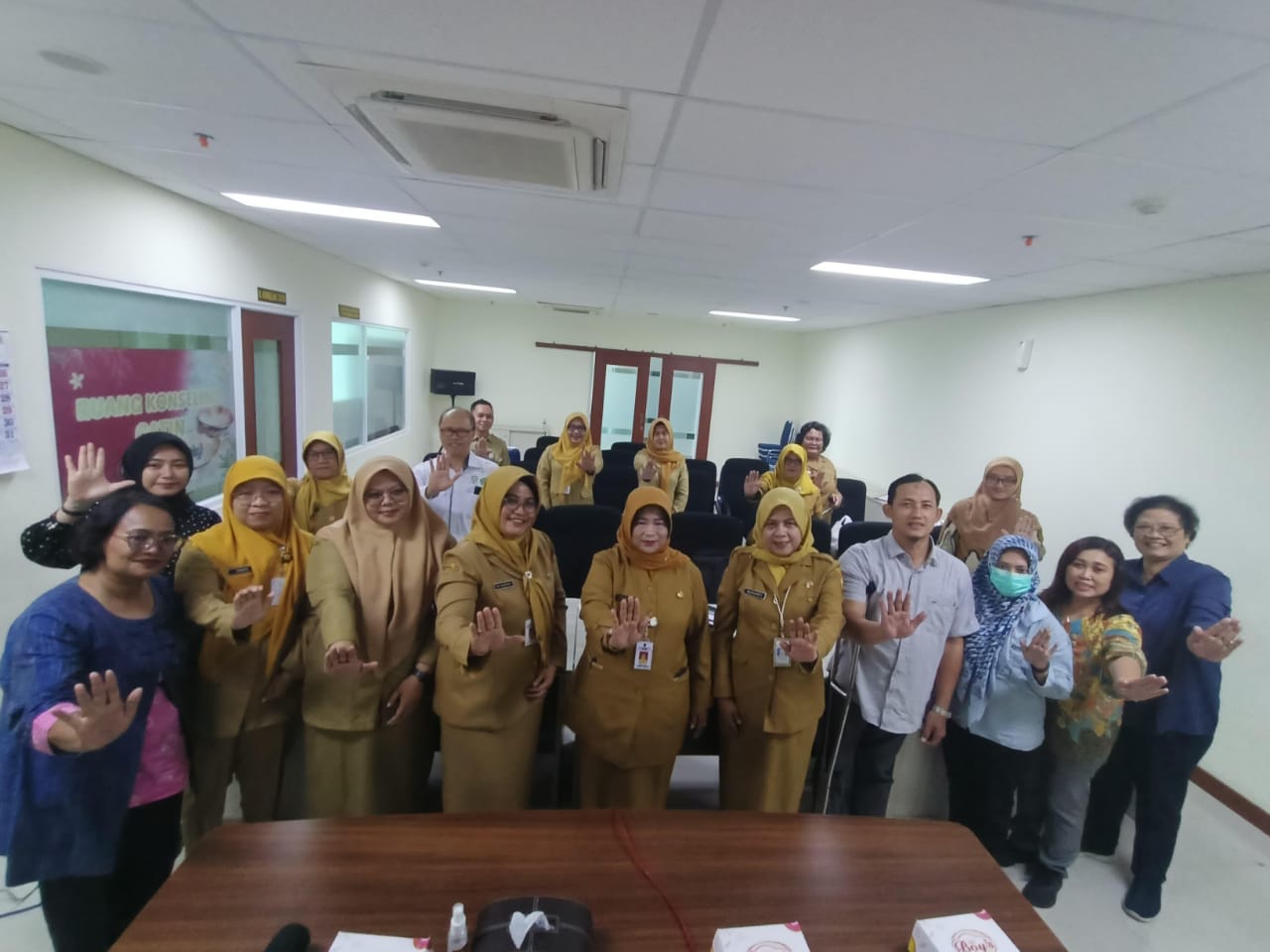
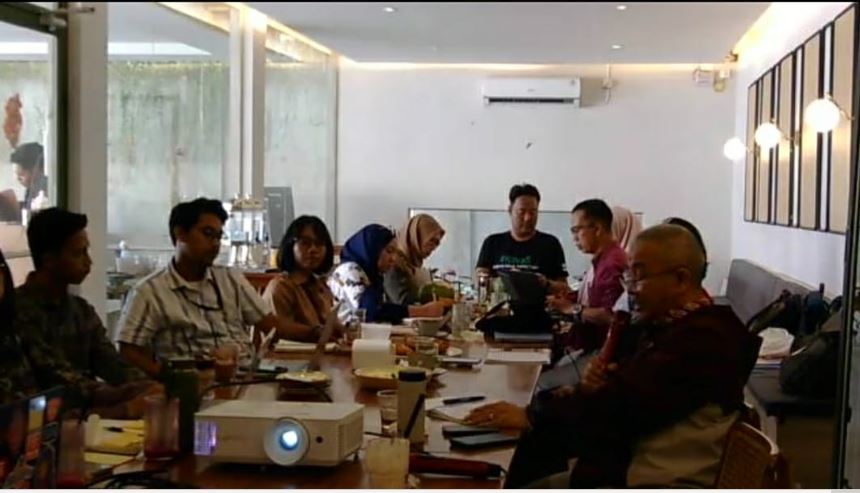
Yayasan CAPPA Keadilan Ekologi conducted dialogue on lessons regarding child protection policy in civil society organizations via online and offline on Monday (16/2), being fully aware that learning process was critical and that child protection had to become a reality in policy implementation, and that there had to be system to ensure policy proceeded and that monitoring and evaluation were implemented to raise awareness. With regards to child protection, it was not just an initiative at international/global level, but equally important were lessons, that could potentially led to joint and collective initiatives for child protection policy which civil society organizations had promoted as part of human rights.
That was the key address by Rivani Noor, the chairperson of the Executive Board of CAPPA as moderator. The learning discussion involved Beranda Perempuan, Komunitas Konservasi Indonesia (KKI) Warsi, WALHI Jambi, and invited resource people from Yayasan YAPHI, PKPA, and CAPPA.
Muhammad Zuhdi or known as Edi added that CAPPA had child protection policy for the last two years. With this learning momentum, he wanted to make sure that CAPPA had the commitment, by inviting experienced resource people who had dealt with cases. “We also invited PKPA who had similar concern on child issue. Let us share, discuss, and place child rights at the fore,” he said.
The first speaker from Yayasan Yaphi, Dorkas Febria explained that Child Protection Policy (CPP) transformed into public knowledge and policy advocacy: internally within the organization and externally amongst communities the organization accompanied. YAPHI had standard operational procedure for prevention and management of cases of violence, code of ethics for protection of women and children, scheduled agenda for child protection policy by establishing internal safeguarding team that not only targeted but also ensured implementation by staff, organization’s body, and all networks and cooperation. Internalizing child protection policy aimed to ensure that all staff understood, and knew how to respond to, for example, sexist jokes and how to ensure changes after policy internalization.
Dorkas also said that child protection policy was not the property of organization, but could change norms in the community, that still deemed things normal, and then transformed them, changed not only the regulations but also the real practices. The transformation process was not merely through knowledge transfer but also transformation in both parties.
Citing report by Simponi Kementerian Pemberdayaan Perempuan dan Anak (Kemen PPA) with regards to case data for 2025, where it noted 27,792 cases, and of which there were 18,125 cases in boys and girls aged between 0-18 years of age, which was a high number. So what then was the need for a child protection regulation? Because normalizing violence remained entrenched. Many organizations did not yet prepared child protection policy, they knew what was permitted and not permitted, yet organizationally they did not establish child protection policy as a basic guideline for protection.
Dorkas said that child protection policy as public knowledge that all people had to be familiar with, not exclusively just for the boards of organizations. How would people know child rights and what children could and could not do. “CPP (child protection policy) had to become social norm for women and children. Communities had the confidence to report. Staff had the freedom to report,” she explained.
YAPHI’s experience in integrating child protection policy as the will to live or the living culture was by asking for informed consent when taking photos and uploading them with prior consent, and attaching sign of objection if a person did not wish to be photographed, and ensuring the use of inclusive language or making available sign language interpreter in its activities, and making available information about reporting mechanism for example through brochures or banners and conducting public policy advocacy not to change policy but to ensure right public policies.
In addition to Dorkas, there was also Dunung, from YAPHI who talked about her experience re. How child protection policy became good practice and touched not only the communities Yaphi accompanied but also policy stakeholders through advocacy targeting city and district governments.
Octika Rani from Yayasan CAPPA as subsequent resource person explained her experience working with children in indigenous communities in Jambi and central Sulawesi as on-the-site practice of child protection policy. As facilitator for children and women, Rani shared her experience accompanying in the two provinces. Yayasan CAPPA, established in 2003, had a code of conduct for child protection. In two years of accompanying children in the communities, Rani worked in nine schools – five in Central Sulawesi and four in Jambi, with a total of 324 children – addressing a variety of issues including local food. She adhered to the ethics when interacting with children – through in-depth study of local custom and culture, maintaining openness and respect without stigma, non-dominating and when interpreter was necessary, then had one provided.
By using adaptive method, according to Rani, children as vulnerable subject with full rights, were not merely there being present, but being alive and growing/developing with CAPPA. CAPPA encouraged them to participate, made them aware of children’s rights, and ensured child-sensitive programs. It also had integrity and safety team conducting education/information dissemination, regular monitoring, accepting complaints, acting on reports, and gave sanctions.
The director of Pusat Kajian Perlindungan Anak (PKPA) and member of a variety of international organizations within BCRWG (Business Children's Rights Working Group), Keumala Dewi explained a number of things with regards to child protection policy particularly its emphasis on: 1. First internal awareness raising within the organization, 2. Then take the responsibility to ensure that children are safe and protected, within the context of program or activities being implemented by those under contract with the organization, 3. Duty of Care by conducting reflection whether protection policy within the organization also include child protection, 4. All parties take necessary action including mandatory statements for child protection, and child welfare. 5. Parents’ roles to ensure protection policy in order to ensure rights, then response mechanism, feedback and response loop, as part of accountability and responsibility, by establishing specific focal points, specific emails where children can submit a report anonymously. It was even critical for would-be employees to use an assessment cycle, examining CVs, interval presence, and going through a psycho-test.