

Konsultasikan masalah anda

Yayasan Yekti Angudi Piadeging Hukum Indonesia (Yayasan YAPHI) berkarya atas dasar kemanusiaan, kebenaran, keadilan, kasih dan sikap kritis untuk mewujudkan masyarakat yang beradab dengan ciri kebhinekaan dalam lingkungan hidup yang lestari serta relasi yang penuh kedamaian. Yayasan YAPHI memiliki semangat dan mandat yang sama dengan Yayasan Pengabdian Hukum Indonesia (YAPHI) yang didirikan pada tahun 1987 oleh Yayasan Bimbingan Kesejahteraan Sosial (YBKS) Surakarta dengan Yayasan Ignatius Slamet Riyadi (YISR) Surakarta
Kegiatan Program
Yayasan YAPHI
- Pengorganisasian masyarakat dan peningkatan kapasitas masyarakat
- Advokasi Kebijakan Publik
- Advokasi Pelanggaran Hak Asasi Manusia
- Peningkatan Kapasitas Staff dan Pengembangan Organisasi


_thumbnail.jpeg)


_thumbnail.jpeg)


What parents did when a child went home with bad mark on their exam? That simple question brought the discussion about child rights closer to day-to-day life – home. Child rights were not simply a set of rules, conventions, or State obligations. Child rights were present in how adults talked, listened, brought up children, protect, and treated children.
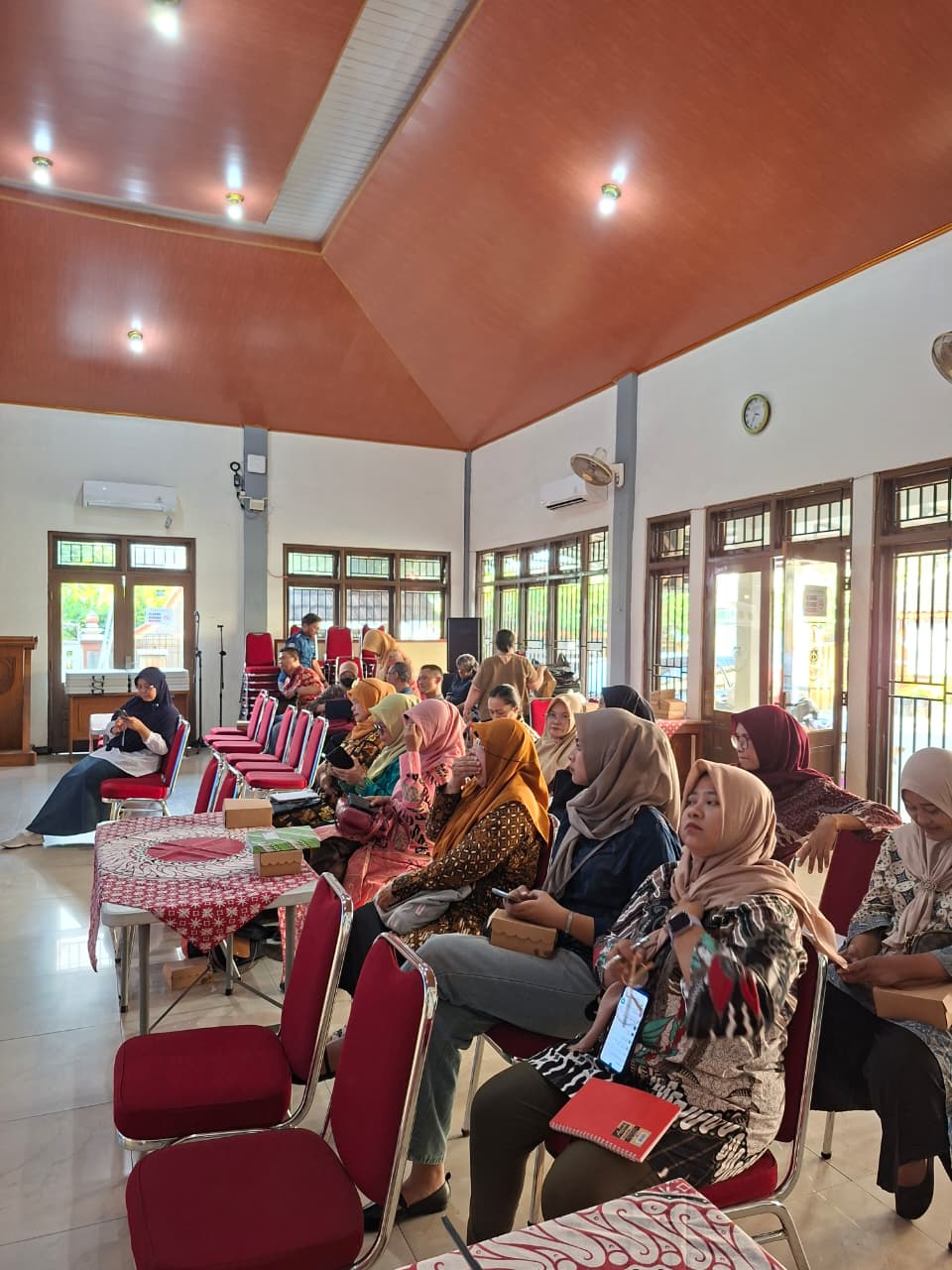
The director of Yayasan KAKAK, Shoim Sahriyati stated that fulfilment of child rights had to be looked comprehensively, during a class on Prevention and Literacy on Anti-Violence Actions in Surakarta (Pelita) established by Komasipera at Serengan Sub-district, Surakarta on Monday (21/9). The Civil Society Coalition for Women and Children in Surakarta or Koalisi Masyarakat Sipil Peduli Perempuan dan Anak Surakarta (Komasipera) was a community of civil society organisations and individuals who cared for women and children in Surakarta. Shoim said that children were not only individuals to be protected when they became victims. Children had rights to grow, develop, get education and health, play, express their views, and enjoy equal treatment.
One foundation was the Convention on the Rights of the Child. The Convention defined a child as an individual aged under 1 years old, except when the law applicable considered a child to be mature earlier. Indonesia ratified the Convention on the Rights of the child and hence had the obligation to report progress on fulfilling the child rights to the United Nations. The report contained the State achievements in fulfilling the Rights of the Child.
The issue was the field condition was not necessarily captured fully in government reports. For that reason, civil communities could prepare shadow reports to highlight children’s situation based on their findings and experience of accompanying the children. One of the issues at the centre of attention was child marriage. Indonesia had made changes to the regulation with regards to the age of marriage. Yet, child marriage practices remained an issue, amongst other things as there was marriage dispensation.
That showed that meeting child rights took more than preparing regulations. There was a long list of things to do, to make sure that regulations truly protect children in day-to-day life.
Discussion about the rights of the child inhered a long history. One known articulation was the ten rights of the child – the rights to play, education, protection, name, nationality, food, health, recreation, togetherness, and opportunity to play roles in development. The ten rights were close to day-to-day life.
The next question was whether children had felt all those rights? In the Convention on The Rights of the Child, Children’s Rights were discussed in a broader context, from civil rights and rights to freedom, family environment and substitute care, basic health and welfare, education, leisure and cultural activities, to specific protection.
There were four general principles to fulfil the rights of a child – non-discrimination, best interest of the child, the rights to grow and develop, and respect for a child’s opinions. The four principles had to be inherent in every decision made on a child’s life.
Within family context, respect to the rights of the child could start from something simple, listening. Shoim gave an example when a child went home and said that his/her exam score was very low. Parents’ response was critical at this stage. Parents did not need to be angry or give a long speech. There was a communication pattern to be introduced - praise, information, and advice.
When a child was being honest by telling parents of their exam score, parents could first appreciate that honesty. After that, parents dig for information about what happened. Why the score was low? What difficulties did the child had? After that, parents gave advice. That method placed the child as subject with knowledge about his/her own experience. Adults did not always know what truly happened just by looking at a score or mistake.
In asking for information, parents needed to use the right questions, not bombarding children with so many questions, talking with degrading voice, but listening more. Such parenting was part of fulfilment of the rights of the child. Conversely, violence could appear in what people thought were normal situations. Scolding, pulling a child’s ear, puling a child’s hair, slapping, or giving a denigrating nickname that left lasting impacts.
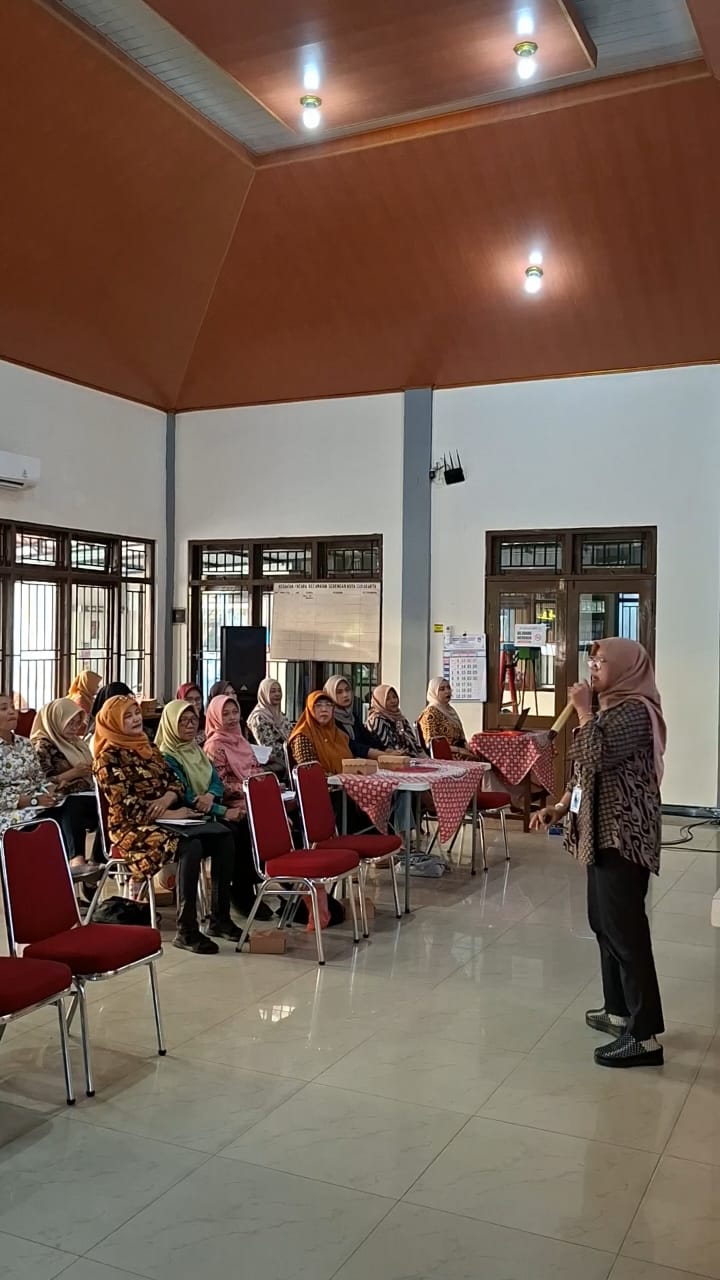
Shoim reminded of the importance of reflection in child care. Parents had to ask themselves what parenting style they applied that fit with the principles of the rights of the child.
Not all children grew in the same situation. There were children who needed special protection because they were in a more vulnerable situation, amongst them were children who faced legal issues, such as children who were victims of kidnapping, human trafficking and trade, children who were victims of physical and psychological violence, children who were victims of pornography, children with HIV, children affected by terrorism, children with disability, children of minority groups, neglected children, and children in emergency situation.
With regards to children facing legal issues, for example, protection approach did not just stop at what the children did. The background situation that triggered children to act had to be revealed. The same might apply to children involved in terrorist network. Shoim shared an experience of accompanying a fifteen-year old child involved in terrorism network, including fundraising activities. The child was in an environment that continuously exposed children to the network.
In such situation, people needed to see children comprehensively. How did children become involved in a given network? Who influenced the children? Who recruited or exploited them? Those questions were critical in order to determine the needs for protection, accompaniment, rehabilitation, and recovery.
It was the same when children were involved in riots. Shoim shared an experience of finding a child deliberately organised to be involved in a riot. Children in such situation had to have special protection. The State needed to find out how children ended up in such situation, including the possibility of adults exploiting the children.
The non-discrimination principle was vital when talking about children with disability. Children with disability had the same rights as other children. Inclusion meant that children could get the equal opportunities and services without being excluded or their rights reduced just because of their disability. The same applied to children of minority groups.
In schools and communities, children of certain religious or faith groups might get different treatments. Their difference did not need to be the reason to lose their rights.
Children might also be victims of stigma associated with the parents’ condition. When parents had certain problems, children could get the same label from other people. Yet, children did not need to bear the stigma because of their parents’ situation. When stigma manifested into bullying, children felt victims to circumstances that beyond their control.
Protection for children was also related to health. An issue that was close to day-to-day life was smoking. Children who smoked belonged to a group that needed special protection. It was not enough to use anger as an approach to children. People needed to see where the children got the cigarettes and how the people around responded.
Shoim shared an experience with a child who smoked since grade 1 elementary school due to family influence. For that reason, a house without smokes would be critical. Children had the rights to a health environment and clean air.
Child protection did not always take the form of big actions. Often, it started with adults opting not to smoke near a child.
The rights of the child were ultimately not only the government responsibility, although the State had a critical obligation to ensure that the rights were fulfilled. Families were the first space where children learned to understand safety. Schools became the space for children to learn and interact. Communities determine whether there were differences in acceptance or there were discriminations.
Meanwhile, the State had the obligation to ensure policies, services, protection, accompaniment, and recovery were available for children who needed them. For that reason, talking about the rights of the child meant talking about many things at once – from education, health, care, environment, law, disability, discrimination, violence, to emergency situation.
More than that, the rights of child discussed how adults viewed children. Were children viewed only as individuals who had to be obedient, or as humans with voices and dignity? That question was critical because a child growing today was a human learning to know himself/herself and the world around him/her. (Ast)


_thumbnail.jpeg)
